









Design Freedom with MIM
Precision for Medical Devices
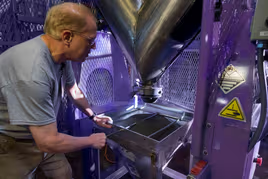
Watch the MIM Process in Action
What makes a good fit for MIM
MIM Design Guide
Metal Injection Moulding 101
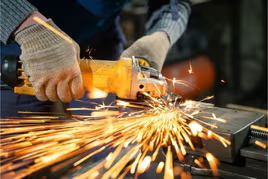
Metal injection molding for hand and power tools
Sustainable manufacturing through advanced metal injection moulding
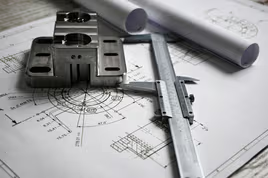
Designing for metal injection moulding
Machining to MIM for precision and cost savings
How to solve problems with MIM materials
How OptiMIM Builds Sustainability into Metal Injection Moulding
MIM design for hand and power tool components
Utilising MIM for Manufacturing at Scale
Comparing metal injection moulding and powder metallurgy
Metal injection moulding FAQ
MIM process series part 6: Sintering
MIM series part 5: debinding
Streamlining FDA approval with OptiMIM
MIM Series Part 4: Moulding
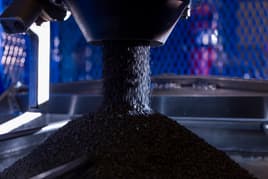
MIM series part 3: Compounding
Material options – how does MIM compare?
MIM series part 2: Feedstock
MIM series part 1
MIM vs. machining
Value-added part consolidation with MIM
Food-grade stainless steel
How large can you create a MIM component?
Material spotlight: Kovar
Customising MIM materials for greater design freedom
Metal Injection Moulding Overview
Introduction to OptiMIM
Benefits of metal injection moulding
Metal injection moulding process
Investment casting vs. metal injection moulding: a process comparison
What makes a good fit for MIM?
MIM Experts Panel: FAQ
Securing scalability: Using MIM for high-volume manufacturing
Moulding excellence with MIM speciality alloys
MIM overview
MIM Round Table
Shaping the future: part consolidation with MIM
MIM Materials
Leveraging MIM for performance
The MIM Performance Dividend
Our engineers are here to answer your questions and show you how innovative investment casting technologies can revolutionise your next project and beyond.